Posts Tagged ‘advice for new writers’

Procrastination Station #122: Christmas edition!

Tuesday, December 24th, 2013

1384578

I haven’t done a PS post in ages, but I have still been saving up cool and interesting links to share with all of you. So this one goes out to all the folks who’re stuck in work on Christmas Eve. Have a cheeky gander at this stuff and the time will fly by! Merry Christmas!

The conversation about money (or privilege) is the one we never have. Why? I think it’s the Marie Antoinette syndrome: those with privilege and luck don’t want the riffraff knowing the details. After all, if ‘those people” understood the differences in our lives, they might revolt. Or, God forbid, not see us as somehow more special, talented and/or deserving than them.

If you read nothing else in this post, read this: on writers, money and lies.

Buildings inspired by books.

You pick one store. Make it an indie. Maybe the one closest to your house. Make sure they have a website. Make sure your book is available on their website. Make sure the store is willing to ship books to customers. Link to your book through the store’s page. Tell the store you are doing this. If you have a big enough following and sales result, they will surely notice in a hurry anyhow. Even if not a single customer finds them through you, they will be happy. They will be happy with you.

from There Are Exactly Zero Defensible Reasons For Authors To Link To Amazon. Teaching you how — and why, though you probably already know — your should team up with indies and save bookselling!

An old train transformed into a bookshop. Yep.

Intellectual Lisa, with her penchant for museums and libraries, is an outlier in her family, in her whole town. But her basic brain power could easily have come from Marge. Although, unlike her mother, Lisa would never put her dreams aside. (Oh, Marge, your life of quite desperation depresses me so. How could you throw so much away, no matter how hot that Mr Plow jacket is?) How did Lisa manage to escape the domestic trap that ensnared her bright, brittle mother?

I am Lisa Simpson. You are Lisa Simpson. We are all Lisa Simpson.

Why we abandon books.

As a child, the island seemed so vast and full of wondrous possibility. Today, it’s just another beautiful, yet remote location. I know there are no mythical beasts tromping through its forests. The people living across the bay on Sandy Hook Drive are just normal folk with lives that are probably as mundane as mine. There is no more mystery, and very few days dedicated to discovery.

On wonder and creativity: There’s Bigfoot in Them Woods

This gorgeous e-book is beautifully illustrated with portraits of, and full of facts about, amazing women who’ve changed how we look at the world.

The images on this page would be unsatisfying to most horror fans, as the hallmark of modern zombie films is now life-like, over-the-top gore. It will serve us better, though, to first explore the origins of this time-honored creature that began as an obscure Haitian folk myth but is now one of our most revisited horror archetypes. It may first seem that history has little connection to our fictional flesh-eating friends, but they have complex origins, too little discussed and too often ignored by historians and horror fans alike: here we hope to provide the first step in the exploration of the phenomenon.

Find out where the shuffling, blood-spattered Walking Dead zombie really came from in Haiti & the Truth about Zombies.

The twenty most spell-binding university libraries in the world.

I find it interesting that the two male heroes of The Hunger Games are so different from one another, and that they embody such different ways of being men. While Gale is the character we might typically think of in a story like this one—a story with plenty of violence, high stakes, and sacrifice—Peeta is not.

This article has uber-spoilers, so if you haven’t yet finished reading The Hunger Games trilogy, steer away. But if you have, read this piece, for it is amazing: Gale, Peeta and Masculinity in The Hunger Games.

Courageous people expose their insecurities for the camera: the What I Be Project is some amazing photographic storytelling.

Atwood is a polymath. She has ideas about how to fix almost everything and takes pride in her rugged resourcefulness – unlike so many namby-pamby authors who wouldn’t have a clue what to do if the lights went out. When she walks down a street, for example, she likes to point out to whomever she’s with what, in the natural world, they could eat, should the need arise. “I just want them to be prepared.”

If you still haven’t read the Maddaddam trilogy, you need to do so right now. (If you have no plans to read it, we can never be friends.) Check out this interview with the sublime Margaret Atwood, and see if you’re not convinced.

You want to read this new poem by Freesia McKee. Trust me.

“My investigation file expanded from one inch to four inches and then to eight inches. The contents included personal data about Moore and his associates, printouts from his website, copies of relevant articles and reams of information on other involuntary porn stars who were featured on his site. I’d found others, and I knew it would be difficult for law enforcement to ignore folks from all over the country.”
Charlotte Laws took on the infamous internet predator Hunter Moore, and, well… she’s a total badass.

Here’s a map of London’s independent bookstores. You’re welcome.

I suspect the vehement dislike of tattoos is really a fear of women’s skin. When a woman makes her own mark on it, she isn’t quite as available to receive whatever fantasies you might want to project on to her. If skin is a screen, and a woman writes on it, she is telling the world (or even just herself) that her own standards of attractiveness are more important to her than the standards of anyone else.

I am violently in love with this Guardian article on women and tattoos. I mean really.

You’ve seen these amazing mother-daughter artistic collaborations, right?

[Beyonce] a work in progress, as are we all. In 2010, she gave an interview saying she was a “feminist in a way,” because she valued her female friendships deeply. Earlier this year, she claimed she was a “modern-day feminist.” Now she is straight up embracing the term in her music and claiming her right to tell women to both bowdown and encouraging them to be self-confident from the moment they step out of bed… in the same damn song! I rock with that because her feminism is complicated, and ours is too. Tell the truth.

I’ve loved reading the various voices rising above the wall of stupid that went up in response to Beyonce’s new record. This might be my favourite.

Life advice from Amy Poehler. Worth passing on!
Speaking of Beyonce: I FREAKING LOVE THIS RECORD SO MUCH.
OMG Watsky. You may have jumped off a lighting rig at a gig like an IDIOT, but I can’t help but still love you.
Cool.

Merry Christmas everybody!!!

*

Like shiny things? Check out Edinburgh Vintage, a totally unrelated ’sister site’ full of jewels, treasures and trinkets. If you want to get in touch you can follow OneNightStanzas on Twitter, or email claire[at]onenightstanzas.com. I reply as swiftly as I can!
Dear poetry newbies: writing in the face of adversity.

Monday, September 30th, 2013

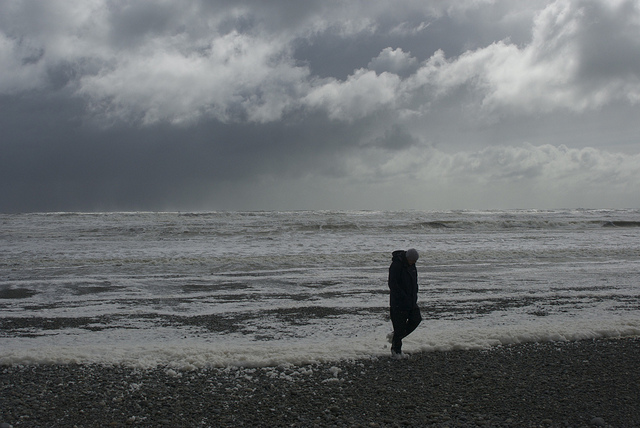
Walk away

A previous version of this post first appeared at One Night Stanzas in September 2008.

Here are a few phrases you’ll probably encounter a lot if you decide to tell people that you want to be / are a writer. Perhaps you’ve already heard some of them…

“Don’t be ridiculous. How are you going to support yourself?!”
“I used to say that when I was your age… you’ll see.”
“But writing’s just a hobby, isn’t it? ”
“Great. But what’s your real job?”

Sound familiar? I’ve had responses like these countless times from people who genuinely can’t understand why anyone would want to even try to make their living from writing. I think you can apply them to just about any other creative endeavour, too — try telling people you want to be a painter, fashion designer, musician, sculptor or actor, and you’ll probably hear similar things. This kind of response can be incredibly demoralising, particularly if it comes from a trusted friend, family member or personal hero. Often you’ll hear things like this from people who are older and supposedly wiser than you, which can also leave you questioning yourself. But no matter how often you hear these phrases, please, please don’t allow yourself to be disheartened by them. Many people can’t understand the possibility of an equation like writing + hard work = paying the bills. But that doesn’t make it a scientific impossibility!

Great. But what’s your real job?
OK, so the person who asks this question is probably assuming that your writing doesn’t make you much money, and as a result, you probably have another job which helps keep a roof over your head. This is a reasonable assumption to make - many writers do have a second source of income, either out of financial necessity or because it directly facilitates their writing. This is particularly true of poetry, I’m afraid. Poetry is an integral part of our everyday lives - it’s in the nursery rhymes we sing to our kids, it’s in greetings cards, advertising, and jingles on the radio. But despite this, not many people actually make the conscious effort to read poetry - to buy poetry collections, attend poetry readings or seek out new and exciting poets locally or online. Poetry just doesn’t sell well, which means that it does not generate too much income - and as a result, most poets do “real” jobs throughout their lives. William Carlos Williams worked as a doctor his whole life (he wrote short bursts of poetry in the few spare minutes between appointments), and Philip Larkin kept up his career in librarianship in spite of his rise to poetic fame. Most of the poets I know work in literature-related environments - some are English teachers, some University tutors, some work in bookstores or write copy for medical journals. Lots of poets support themselves by setting up or working for small publishing firms, which not only helps them survive - it helps poetry survive, too. But yes, I’m afraid it’s true - 99% of poets have to work at something other than their writing, which means you will probably have to, too - at least for a while.

Don’t be ridiculous. How are you going to support yourself?!
So you probably are going to have to get a “real” job, and therefore - although this isn’t very nicely worded - it is a fair question. When you’re not frantically scribbling, what are you going to do?
Well, you’re a creative person, and so I’m guessing that the thought of a 9-5 office post or a low-paid table-waiting job probably makes you want to scream. But you can relax, because you do not need to do those jobs! Teaching is a popular one. You don’t necessarily have to do a teaching degree and end up in charge of a class of thirty kids - just think about what you’re good at; what skills do you have that other people might want to learn? You write, so I’m guessing your language skills are pretty good; or perhaps you play flute, or whizz through long division? Pick a skill, work out a step-by-step teaching strategy, and then make bright, bold posters and advertise yourself (“Want to learn French? Get lessons from a native speaker!”). Alternatively, you could look around for private tutoring agencies and firms in your area, and see if they could take you on. That’s how I ended up working as an English tutor and lecturer; that’s how I paid my bills and supported my writing for over five years.
There are other ways, of course, if teaching doesn’t float your boat. Working in a bookstore may just sound like another dull retail job, but give it a try. Chances are, the people who work there are into words in the same way you are - particularly if the store is an independent one. A good poet friend of mine worked for the huge chain bookstore Waterstones, and surprisingly, loved every second. He got to work in the poetry department, and he went through there like a dose of salts, insisting that they order in more books by Charles Bukowski and other hip writers, writing enthusiastic reviews for poetry books to make people buy them, and making suggestions for cool literary events for the store. He also took the time to chat with the customers about the books they were buying, and had a great time meeting loads of like-minded people!
Basically, your “real” job should always be something you don’t totally hate. Creative people can wither in soul-crushing corporate workplaces, so make sure your day-job isn’t affecting your writing in a negative way. If it is: quit. Go work in a cool café, deliver leaflets or posters, become a carer for the elderly (old people are amazing, and good, caring people are always needed), walk your neighbours’ dogs, drive a pizza van. Do something you like, and when you’re not doing it, write. Don’t let anyone else tell you how you should support yourself.

But writing’s just a hobby, isn’t it?
So, you mainly need the “real” job because writing does not tend to generate a regular income - if you go through a bad patch with your writing and have no financial back-up, you could end up with no rent-money at the end of the month. However, writing is not just a hobby - it can make you money, if you know how to work it!
Poetry’s tricky to sell, as we’ve already discovered. However, some magazines do pay for poems. It’s not generally a lot, but it’s something - and the day of your first paid magazine gig is a momentous occasion! You can also get paid for reading your poetry to an audience, so try and get yourself on the bill of a local poetry reading. Many of these events charge a small entry fee, and more often than not, that goes to the poets. If your scruples allow, you can also try touting your poetic wares to greetings card companies or other product manufacturers… obviously you won’t be writing your best or most complex work, but you’ll be writing and making some cash!
Other forms of writing are more lucrative than poetry, thank goodness! You can make cash-per-word writing freelance magazine articles, reviews etc, and there are heaps of websites out there with advice on this kind of thing - just type “freelancing for beginners” into Google (but watch out for scams… don’t part with any cash for online writing courses or the like - you should be able to get all the info you need for free). You can also write for a specific market - as I said earlier, medical writing can generate income, as can travel writing and writing for other specialist areas.
If you’re feeling courageous, you can also send your work off to poetry contests with cash prizes (though with most of these you have to pay an entry fee… make sure it’s worth paying to enter!) or read up on grants and other funding for writers.

I used to say that when I was your age… you’ll see.
Whatever you do, do NOT be discouraged by negative responses from other people! This “you’ll see” response is particularly nasty, because it implies that you’ll fail, or that you’ll regret pursuing your writing at a later stage of your life. Yes, you should be sure that writing is really what you want to do, but chances are if you do decide to follow that path, and if you stay smart and true to yourself, you’ll have no regrets whatsoever. As for the “don’t be ridiculous” comment - writing and creating are not ridiculous exercises. If you ask me, slaving away at a PC or photocopier for eight full hours of your waking day is much more ridiculous than creating something really cool and unique and sending it out into the world for people to enjoy. And if someone asks you what your “real” job is, tell them it’s writing - you just happen to have another job on the side.

*

Budding writer? Creative person in need of a fun job? Check out the various resources and services at Bookworm Tutors. Alternatively, check out Edinburgh Vintage, our sister site. If you want to get in touch you can follow OneNightStanzas on Twitter, or email claire[at]onenightstanzas.com. I reply as swiftly as I can!
Things I Love Thursday #82

Thursday, July 11th, 2013

Getting ideas for my new garden...

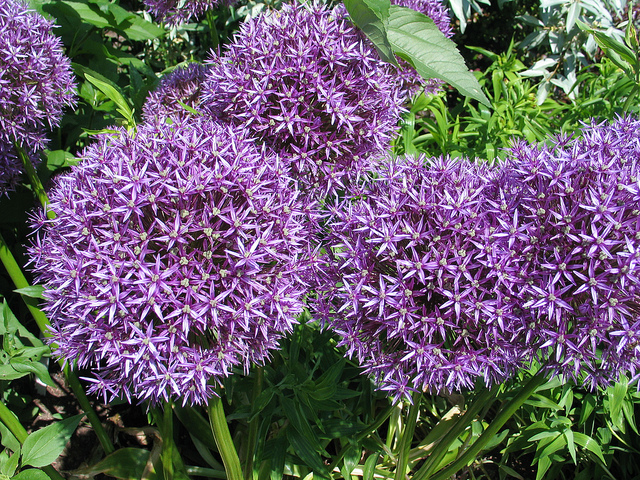
What are these?  They're about the size of my head.  I would like some.

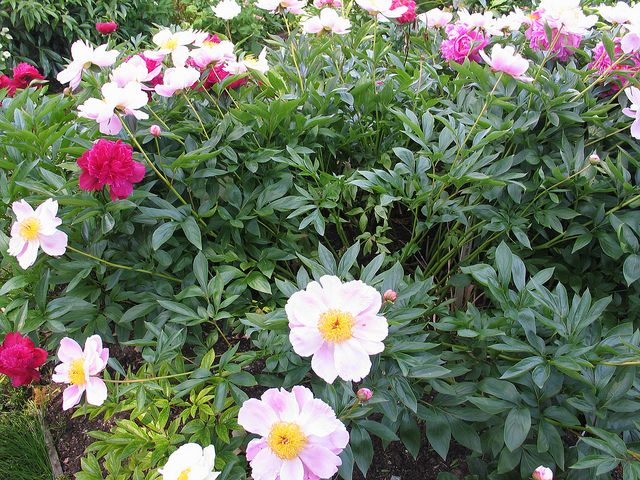
Peonies!

Peonies!
Dreaming my new garden
So, along with our new, slowly-emerging-from-a-wreck house, Lovely Boyfriend and I have also obtained two small patches of garden. Right now, they’re basically scruffy little lawns with some weedy borders around them. But I plan to turn these two little spaces into a garden of edible delights (plus a few pretty flowers here and there). I’ve never understood why anyone would have a lawn when they could have a veggie patch. Anyway, I’m pawing through books and beginning to learn a bit about plants… and in the process, I’ve suddenly become excited about garden centres.

Grumpy gargoyle

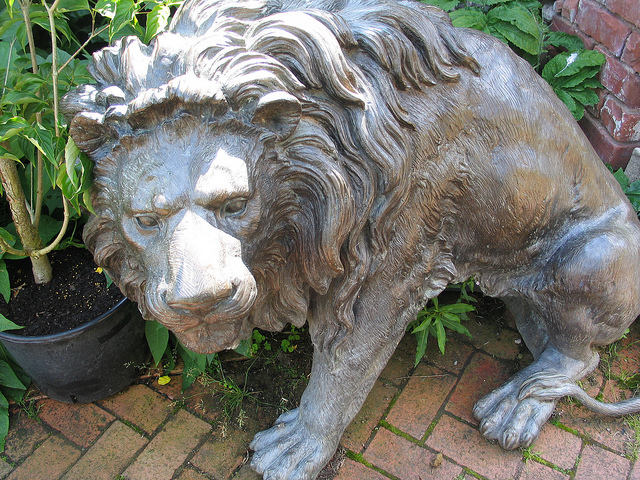
Slightly scared-looking lion,

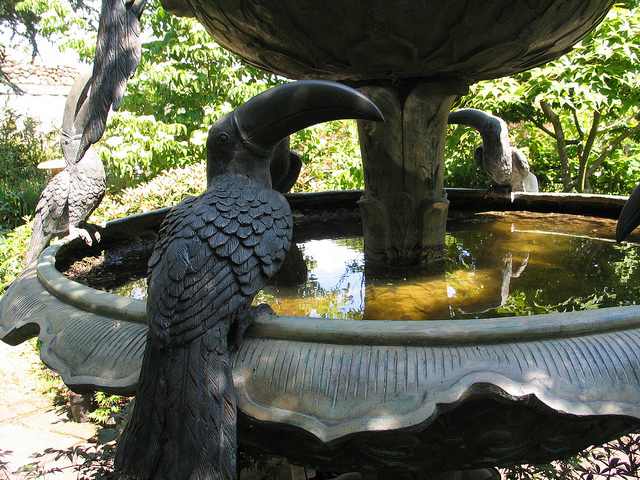
The Toucans & Maccaws Fountain at Larch Cottage, Melkinthorpe
…but not all garden centres are the same.
Larch Cottage, at Melkinthorpe (WHAT A NAME) in Cumbria, is no ordinary garden centre. It’s basically like a magical secret garden inhabited by thousands of weird and wonderful statues, all of which come to life at night and grow huge and amazing plants. If that sounds a tad creepy then yeah, I guess it’s a tad creepy. But it’s also amazing. I mean… grumpy gargoyles everywhere, a life-size bronze lion, and a fountain covered in cheeky toucans? If ever you’re in Cumbria, seek it out (it’s hidden down a series of narrow, high-hedged roads) and see what I mean. (There’s also a cool restaurant, an art gallery and a shop full of jewellery, furniture and strange nick-nacks. Woo!)

DREAM CAR RIGHT THERE.

Pretty.
Spotting my dream car(s) EVERYWHERE
I’ve had this silly daydream for years: one day I will own a vintage Land Rover Defender. It’ll have a crappy tape-deck and bench seats in the back and rattle like a bean can. On the other hand, I also dream (well, who doesn’t?) of cruising around in a beautiful vintage Ford Mustang, preferably wearing a very, very long scarf that billows in the wind…
(But until I win the lottery, and/or get a massive concussion that causes me to forget how much I care about carbon footprints, I guess I’ll stick with the bus!)

Moomins!

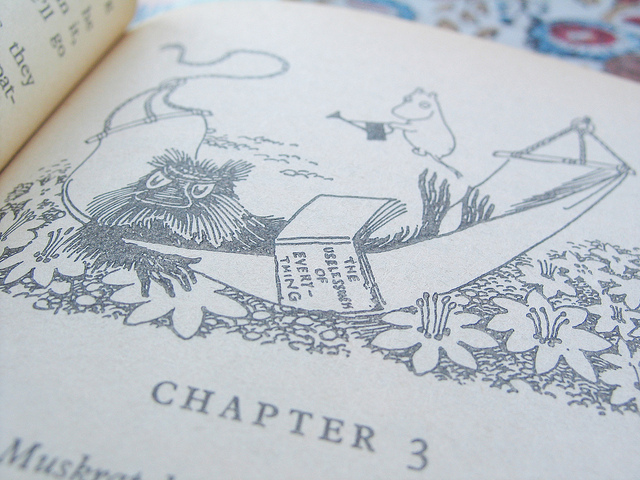
The Uselessness of Everything

Pretty pretty poetry book, up soon at Edinburgh Vintage!
Cute books
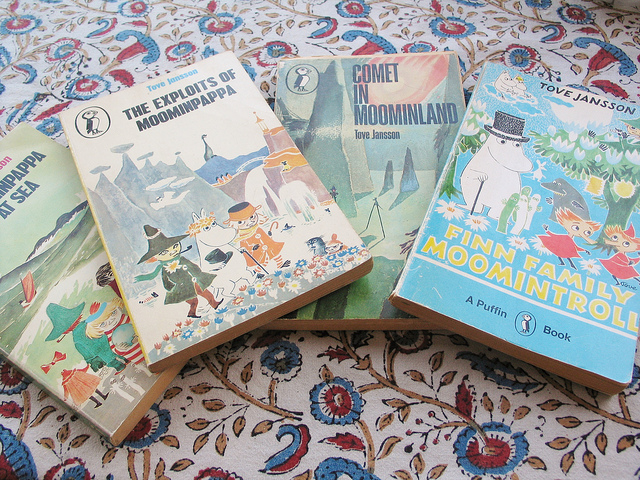
I’ve been lucky enough to become the proud owner of a series of late 1960s and early 1970s Penguin paperback editions of the Moomin books. I loved the Moomins as a child and have had so many flashbacks, flicking through these super cute books and being jolted about 15 years back in time by so many of the illustrations! As I’m moving house, I’ll be parting with the series (with a tiny tear in my eye) over at Edinburgh Vintage very soon.
Meanwhile, already for sale at EV is the beautiful, minature, leather-bound collection of Burns’ Songs pictured above. My favourite part about it is the gorgeous cover with its tooled image of Calton Hill. Amazing!

The Vogrie Park Greyhound Meet!
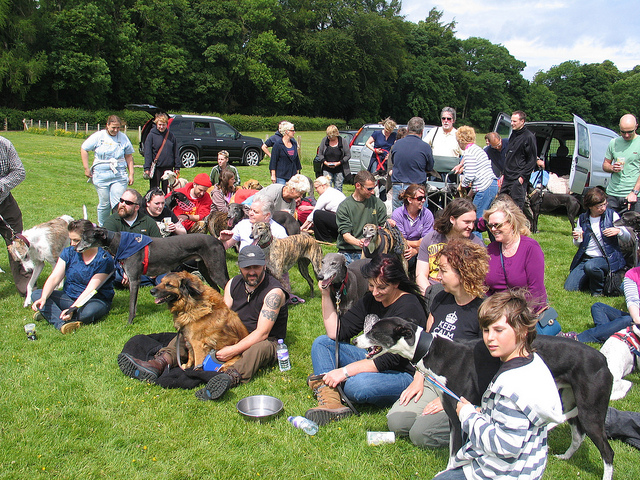
Basically about 50 greyhounds all together in one place being SUPER CUTE. Lovely Boyfriend and I each got to befriend and walk one of them — his was Sam, mine was Neville. (Neville’s at the front left of the pic, wearing a blue cape!)

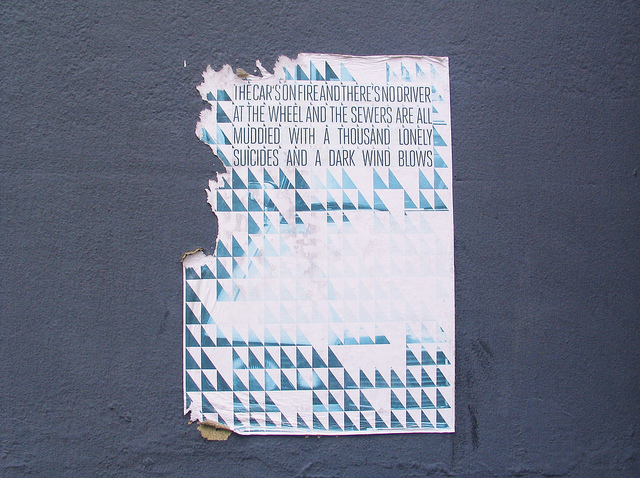
Found poetry on the streets of Edinburgh

At the Canny Mans

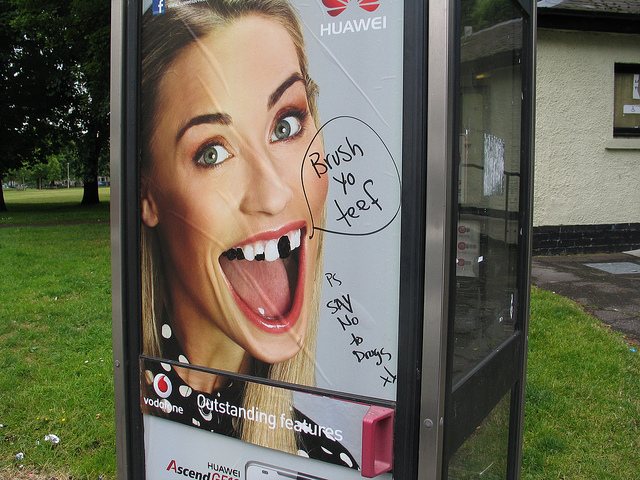
Brush your teeth, say no to drugs, say yes to marker pen graffiti

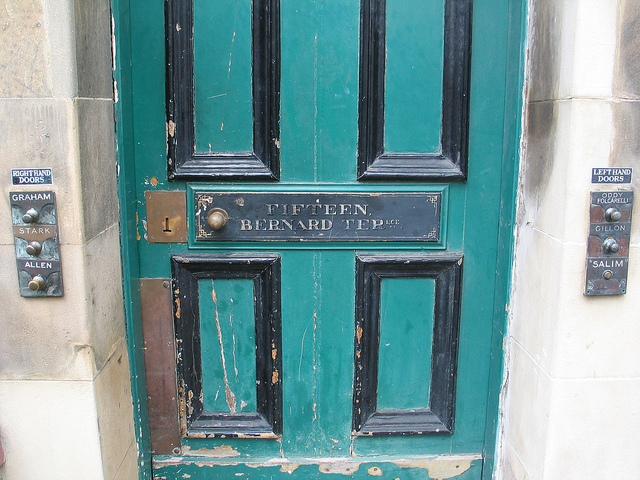
Super cool old door, Newington

I love long Edinburgh evenings
Edinburgh…
Edinburgh on a warm sunny day is basically THE BEST PLACE IN THE WORLD BAR NONE. This past week I have seen so many of its millions of moods, as evidenced by the photos above! Found poetry, flickering neon, juvenile graffiti (but with a social conscience!), crumbling elegance, amazing long evenings full of swifts. THANK YOU, MAGIC CITY.

I want this dog.

Snooty tall giraffe made the small fat giraffe sad.
…and Edinburgh window displays. Giving me ALL THE FEELS.
I love the grumpy, sassy-looking dogs at Pink on Castle Street. I really, really want one. Just, yaknow, to sit in my living room. They make me super happy whenever I walk by.
But oh… then there’s this INCREDIBLY SAD window display in a Morningside toy shop. The tall snooty giraffe being sniffy about his friend! And the small, fat giraffe looking so ashamed of himself! Call me infantile if you like, guys, but it’s enough to make me want to run in there, buy both of them, take them home with me and talk them into being friends again.

What are YOU loving this week?

*

Budding writer? Creative person in need of a fun job? Check out the various resources and services at Bookworm Tutors. Alternatively, check out Edinburgh Vintage, our sister site. If you want to get in touch you can follow OneNightStanzas on Twitter, or email claire[at]onenightstanzas.com. I reply as swiftly as I can!
Dear Poetry Newbies: read more poetry.

Monday, July 1st, 2013

A previous version of this post first appeared at One Night Stanzas in September 2008.

“People who never read poetry don’t write poems that are worth reading,” says Wendy Cope in this article about the importance of reading. I daresay that a lot of you will resent this statement, but I’m afraid it’s absolutely 100% true.

In 2007 I set up a teeny tiny little DIY literature zine called Read This Magazine. Although our print run was only 150 copies per month, as ed-in-chief of RT, I saw thousands and thousands of poems by young and emerging writers. When it came to picking out the best work for publication, about 80% of everything went immediately onto what the industry calls “the slush pile” - in other words, the “definitely no” pile.

This may seem incredibly harsh - particularly as so many of these submissions were accompanied by cover letters which stated “I’ve never had my poems accepted and I don’t know why” or “I want to know how to make my poems better.” Was I just rejecting them out of hand? Did my editorial team and I not read them with as much care as the other 20%? Basically, the truth is painful: you can tell immediately, sometimes from the very first line of the very first poem in a submission, whether or not the poet in question reads poetry. And if it’s clear that they don’t, you can basically guarantee that none of their poems will be good enough for publication.

You can leap down my throat if you like - because yes, sometimes, rarely, a poet who doesn’t read anything does get lucky, and writes something insightful or interesting which deserves a closer look. However, bear this in mind: Read This was a lot more accomodating than most magazines… we did read everything through at least once before consigning it to the slush pile (just in case), and we responded personally to everyone - particularly those people who’ve asked for help and advice in their cover letters. Furthermore, giving 80% of submissions an “immediate rejection” is nowhere near the 95%-97% mark of most major magazines and publishing houses - you think we were harsh? Try Poetry Review!

You can dress it up any way you like, but as Wendy Cope says: if you don’t read, you are not going to be a successful poet, and the earlier you allow yourself to accept that fact, the better! Defiantly refusing to read other poets’ works will not endear you to the poetry community (as Kenneth Patchen said, “people who say they love poetry but then never buy any are cheap sons-of-bitches”), and chances are your work will remain stagnant and always sound, look and read in the same old way (so if it aint getting published now, the future doesnt look good). However, if you open your eyes to the great wealth of poetic material around you, and start taking it in, then you’ll soon begin to see and feel the benefits. It’s like the old adage ‘you are what you eat’ - you are also what you read.

But I hate reading!
OK, that’s fine. Some people will say “well, why are you a poet?”, but I understand. My sister is an artist, but finds many art shows and galleries a total snooze-fest. Forget what you learned in school - poetry is doesn’t have to be boring, and it does’t have to be difficult. I genuinely believe there’s a poem out there for absolutely everyone.

Read as much or as little as you want. Break yourself in gently. If you’re really struggling, try to read just one poem per day (there are heaps of resources out there to help you with this). Buy yourself a book of haikus and absorb one or two in a spare five minutes. Check out Poetry Archive and listen to a poem. Ask other people what their favourite poem is, and start a to-read list. Soon enough, you’ll find that you feel inspired; you might notice that you’re writing more, or that your writing looks and sounds different. This is poetic influence at work - embrace it!

What should I read?
Read what you enjoy. If you check Paradise Lost out of the library, get three lines in and want to kill yourself, stop reading. Read something that excites you, that inspires you, that makes you think “I want to write like this.” It doesn’t matter whether that’s The Waste Land or Tom Leonard’s This Is The Six O Clock News. There is poetry out there that you’ll love - but it might not be what you think. Keep reading until you find it.

What shouldn’t I read?
Basically, any reading is good reading - if you prefer novels to poetry, read novels: they can help you to write better poetry, too. Read anything; stage plays, memoirs, the phone book. Immerse yourself in words and look at how they’re put together. Absorb ideas.

(The only thing I would advise against is reading the poetry of other poets who don’t read. This will get you nowhere. It may be cheap and convenient, but avoid reading amateur poetry and try to read people who are published in some form or another. This may sound like snobbery, but it isn’t: if you want to get published, reading published poetry is the best way to understand what “makes it”, and the best way to turn your own poetry into something publishable.)

But if I read other people’s work and then start writing like them, isn’t that copying?
This is a tricky issue, and one that comes up a lot. As Wendy Cope says, a lot of non-reading poets claim that they don’t read “because they don’t want to be influenced.” However, these people are missing a massive trick: all poetry is, at least in part, stolen. Frank Zappa once said, “Adam and Eve made all the great records: everyone else just copied,” and that really applies to poetry. Every successful poet is influenced by someone - usually by a huge variety of other poets who came before him or her. Being influenced is a good thing… and it is totally possible to read and still be original. Try reading a few poems. Read until you come to a line, a stanza or a whole poem that makes you think “I could have done that better,” or “I’d have examined that idea differently” (it’s OK, you’re allowed to think this, even if the poet you’re reading is Whitman or someone equally famous and revered). When that thought arises, act on it: go away and write that line, stanza or poem the way you’d like to see it written. I bet it comes out looking nothing like the original.
You’re not copying, you’re borrowing; you’re sharing. Try it: it’s what poets do.

But there’s so much poetry out there. Where do I start?
Wherever you like. If you’re totally clueless, go to a bookshop or library, find the poetry section, and pick out a book with a cover that catches your eye. Go for a cool title, or a poet with an unusual name. Search the net for poems in a style you like or on a subject that interests you - science fiction, for example - and take note of the published authors who write in that style or genre… then hunt them down in a bookstore.
Just read any poetry you can get your hands on: if you like it, find out what’s similar to it, and read that too. If you hate it, find out what the opposite is, and try that. Dabble, mess around, feel free to loathe some poets and love others. Just read as much as you can, as often as you can. Then write.

*

Budding writer? Creative person in need of a fun job? Check out the various resources and services at Bookworm Tutors. Alternatively, check out Edinburgh Vintage, our sister site. If you want to get in touch you can follow OneNightStanzas on Twitter, or email claire[at]onenightstanzas.com. I reply as swiftly as I can!
(Photo by Emchy)

Procrastination Station #120

Friday, April 19th, 2013

u.f.o.

A poem! By Kevin Cadwallender! At Bolts of Silk! A hat-trick of awesome!

I love Kim Addonizio, and this is SO the perfect book cover for her work!

I am so happy to see some of Stephen Nelson’s work over at Fit for Work — an anti-ATOS anthology you should, by the way, really check out.

Have you guys seen the Books and Nerds tumblr? Wall to wall bookish escapism!

The lovely, lovely Chris Scott (who once told me he’d “be the Testino to [my] Diana” if ever I become super famous, and I plan to hold him to it) recently took this brilliant, smiley photo of great poet and great bloke Andrew Philip. I really like it! Chris’ work is generally great. Check out his Author Portraits and his Flickr for more!

Life in Authoring, you totally get me through the day, SRSLY. I also just discovered Life in Publishing and Life in Small Press Publishing and now have so much less free time.

I’m always fascinated when Caustic Cover Critic points out how often the same images are recycled for book covers. Here’s a sad and elegant lady who seems to crop up awfully often…

…and speaking of covers, I just discovered Lousy Book Covers. Part of me feels super sad for the poor authors, but some of these really are lousy.

Is anyone else as into typewriters as me? If so, you should check out clickthing. It is basically typewriter p0rn.

I believe I have mentioned before that I LOVE DAVE COATES’ REVIEWS OF POETRY BOOKS. LOVE them. His review of The Great Billy Letford (as he should always be known) is an absolute cracker. But he’s at his best when bitchy: “poems to be printed on Cath Kidston merchandise.” DOES CRITICISM GET ANY HARSHER? A review to cackle gleefully at.

Apparently, “dear blank” is something EVERYONE has seen now, but it was new to me, and I loved it!

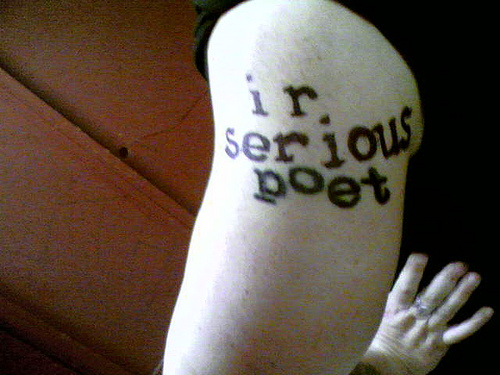
Two Beat Generation tattoos! Ginsberg and Kerouac! I approve! Also, I have been crushing on thigh tattoos lately and love these.

To be serious for a moment: you should probably read more bell hooks.

How much do you wish you’d been at this party?

Adverts are often better “edited” — some great examples here!

I can has one of these?

It wouldn’t be Friday without CAT GIFS!

Have a great weekend!

*

You can also visit Read This Press for more poetry (and typewriter paraphernalia!). Alternatively, check out Edinburgh Vintage, our sister site. If you want to get in touch you can follow OneNightStanzas on Twitter, or email claire[at]onenightstanzas.com. I reply as swiftly as I can!

(Photo credit)