Posts Tagged ‘novels’

Almost all the books I read in 2014 and the things I thought about them.

Tuesday, December 30th, 2014

So, for the first year ever, I actually kept a book journal, and wrote down in it almost every book I read throughout the year. I say almost, because towards the end I got really bogged down in — and vexed by, as you’ll see — DeLillo’s Underworld, and forgot to document some of the poetry books I read. But this is about 98% of what I read this year, along with some often-bitchy miniature reviews. Hooray, books!
#58 of 365
(Photo credit)

JANUARY

Fiction
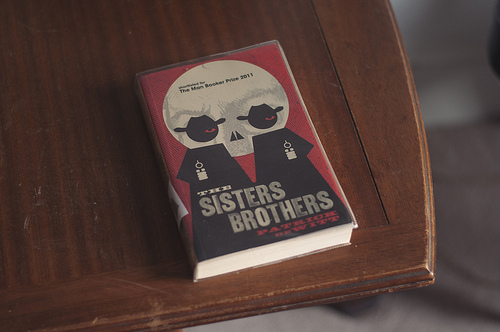
Patrick deWitt The Sisters Brothers
(Didn’t expect to like this. Loved it. But then, I loved Ablutions, so…)
Terry Pratchett Soul Music
(Re-read for about the one millionth time. This book is like an old friend.)

Poetry
Mary Oliver West Wind: Poems and Prose Poems
Helen Mort Division Street
(I’m afraid I didn’t get the hype. It went to the charity shop.)
Rebecca Elson A Responsibility To Awe
Gossip from The Forest - Sara Maitland
(Photo credit)

FEBRUARY

Poetry
Patricia Pogson The Holding
Patricia Pogson A Crackle From The Larder

Non fiction
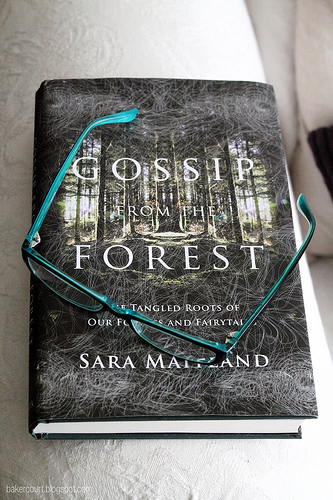
Sara Maitland Gossip From The Forest
(I abandoned this halfway through. I feel guilty, but sorry, I found it a bit dull.)
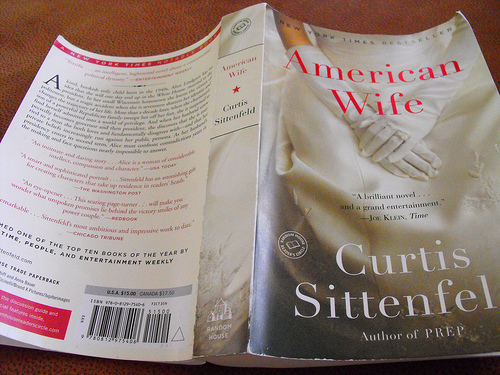
93/365 American Wife
(Photo credit)

MARCH

Fiction
Curtis Sittenfeld American Wife
Christos Tsolkias The Slap
(I abandoned this because it is a book that seems to be entirely about men walking around objectifying women and getting angry erections. Literally the most misogynist book I have ever read… and the few women characters who are allowed to have any kind of meaningful narrative are so badly written it’s painful. I actually dumped this book on a train. I didn’t want the charity shop folks to even know I had read it.)

Poetry
Mary Oliver Thirst
Dorianne Laux Smoke
(Re-reading)
Kathryn Simmons The Visitations
Kerry Hardie Selected Poems
(Re-reading. I am a mega Kerry fangirl.)
Patricia Young More Watery Still
(Re-reading)

wild geese
(Photo credit)

APRIL

Poetry
Michael Conley Aquarium
(I also reviewed it!)
Mary Oliver Wild Geese
Patricia Young Summertime Swamp Love
(OK, I love this woman. I have read everything she’s ever written. I was so excited that she had a new collection out, pre-ordered it, waited impatiently to get it from Canada… and was so utterly disappointed. It’s a book where every poem is about the sex life of a different animal… and you can tell she got really caught up in the gimmicky concept and let the writing slip a bit. Or in places, a lot. Sad times!)
Karen Solie The Living Option
(Thank goodness for Karen Solie! The best poetry book I have read for years. Everyone, go out and get it and read it and marvel. She’s amazing.)
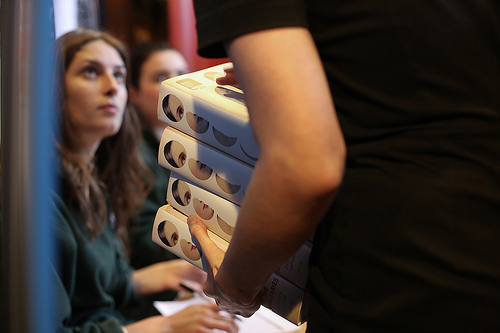
Copies of The Luminaries being prepared.
(Photo credit)

MAY

Fiction
Roxane Gay An Untamed State
(Beautifully spare, very harrowing, utterly amazing. Read it.)
Nina de la Mer Layla
(Most inventive use of second person I have ever seen, but… let’s just say I’m curious to know what real sex workers make of this book.)
Eleanor Catton The Luminaries
(Ugh. She’s so talented it’s obscene.)
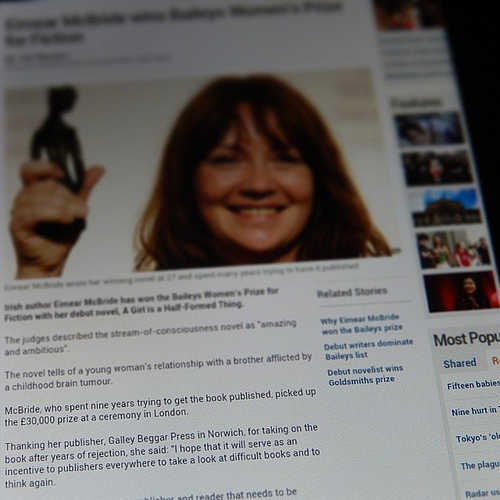
#100HappyDays Day 148: Enjoyed hearing Eimear McBride talk, upon winning the Bailey Prize, about how this should be a wake-up call to publishers to take more risks after receiving years of rejections not because they didn't like it but because they didn't
(Photo credit)

JUNE

Fiction
Curtis Sittenfeld Sisterland
(Yeah, I love Curtis.)
Eimear McBride A Girl Is A Half-Formed Thing
(I hated this. I’m afraid I ditched it halfway through. Am I broken?)
Hilary Mantel Beyond Black
(My first foray into the world of Mantel! I liked it! Though it could have been 150 pages shorter.)

Talye Selasi, Author of Ghana Must Go
(Photo credit. Taiye Selasi is stunning.)

JULY

Fiction
Paul Auster Man In The Dark
(Meh. Auster is Austerish.)
Taiye Selasi Ghana Must Go
(I was ready to hate on this with all the hate I could summon… this woman was helped to publication by her personal friends Toni Morrison and Andrew Wylie, but it turns out? Not nepotism. She actually deserved the hype! Mind you, I agree with the reviewers who said it didn’t really hit its stride til Part 2.)

Poetry
Mary Oliver West Wind: Poems and Prose Poems
(Yep, re-read it in the same year.)
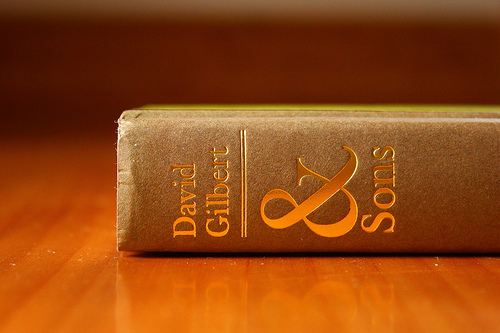
& Sons
(Photo credit)

AUGUST

Fiction
Janet Fitch White Oleander
(Re-reading for about the fifth time, because I just love this book.)
David Gilbert & Sons
(I expected this to be really macho… and it is, but in a brilliant, self-aware way. One of my favourite novels of the year.)

Poetry
Jean Sprackland Sleeping Keys
Colin McGuire As I Sit Quietly, I Begin To Smell Burning
(I’ve said it before and I’ll say it again: McGuire is Scotland’s most underrated poet. Read it. Read it now.)
Gone Fission
(Photo credit)

SEPTEMBER

Fiction
Jennifer Egan The Keep
(She is the writer I would like to be. That said, this was not quite as sublime as Look at Me or Visit from the Goon Squad.)
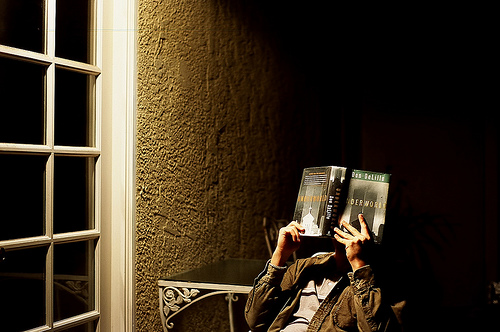
Don DeLillo Underworld
(Holy crap this thing is a slog. Notice how I only got round to one other novel all year after this?! And sorry not sorry: it is so not worth it. It’s like Infinite Jest. The length of it is just male posturing (as is the dudebroish waxing lyrical about how this or Infinite Jest is like the totes best evar. So you read a long, smartypants book. Big whoop). Male GANs (Great American Novelists) have an obsession with size which just isn’t healthy. Stop it DeLillo, DFW, Franzen! You’re just showing off, dammit! My advice? Skip this one and read Cosmopolis. It’s the stunning DeLillo prose without the bullshit.)

Poetry
Katherine Larson Radial Symmetry
Reading Blue Horses by Mary Oliver
(Photo credit)

OCTOBER

Poetry
Austin Smith Almanac
(A poetry collection all about farms. Shouldn’t be good. Is amazing.)
Nancy Kuhn The Wife of the Left Hand
(This was less accessible/more abstract than I usually like, but this collection actually made me think differently about poetry. Gobsmacking!)
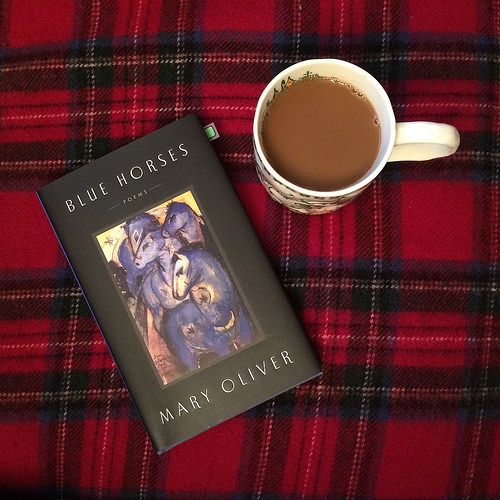
Mary Oliver Blue Horses
(New collection! And it’s delightfully “IDGAF” in tone. Mary Oliver, be my surrogate auntie?)
Matthew Dickman Mayakovsky’s Revolver
(Hipstery poems about Portland! Read it while drinking artisan espresso and twirling your moustache!)
Dionisio Martinez Bad Alchemy
(This dude has the best name ever.)
Untitled
(Photo credit)

NOVEMBER

Fiction
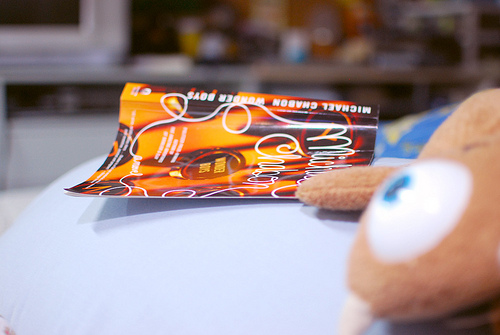
Michael Chabon Wonder Boys
(If you hate the fact that male novelists dominate the world of SRS LITERATURE and are often pompous windbags, then this book is for you. It’s about one of them getting a series of hilarious come-uppances. I actually LOLed in public at this book.)

Poetry
Thomas Lux Selected Poems
Kerry Hardie The Zebra Stood In The Night
(Another new collection I waited impatiently for… but this one did not disappoint.)
Alan Gillis Scapegoat
(I second what Dave said about this one.)
Leanne O’Sullivan Waiting for my Clothes
(I did Leanne O’Sullivan wrong. I had never heard of her and read The Mining Road, liked it well enough, but didn’t know til last month that in the early 2000s she’d been this 20 year old writing prodigy genius person. Holy wow.)
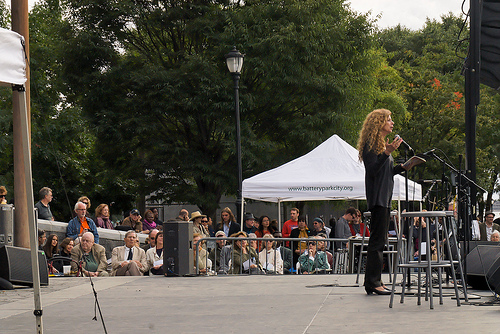
Marie Howe
(Photo credit. That’s Marie Howe, btw.)

DECEMBER

Poetry
Melissa Lee-Houghton Beautiful Girls
(Once upon a time, I published Melissa in my tiny, Xeroxed poetry zine Read This. I am so chuffed to see how far she’s come since then… she deserves all the praise, her poems are great.)
Marie Howe What The Living Do
Mary Oliver Dream Work
(I am an Oliver addict.)
Tiffany Atkinson So Many Moving Parts
Helen Dunmore Recovering A Body

Non-fiction

Robert Boice How Writers Journey to Comfort and Fluency: A Psychological Adventure
(This is long-winded as hell, out of print and a hard copy will rush you at least £60. But holy wow, it’s very, very, very useful.)

A few final stats:

Total fiction: 17
Total poetry: 32
Total non-fiction: 2

Books by men: 16 (7 fiction, 8 poetry, 1 non fiction)
Books by women: 35 (10 fiction, 24 poetry, 1 non fiction)

*

What did YOU read this year?
(Related reading: my top 10 independent bookstores of 2014)

*

Like shiny things? Check out Edinburgh Vintage, a totally unrelated ’sister site’ full of jewels, treasures and trinkets. If you want to get in touch you can follow OneNightStanzas on Twitter, or email claire[at]onenightstanzas.com. I reply as swiftly as I can!

Attention women writers! Brand new writing opportunity in Edinburgh!

Tuesday, December 2nd, 2014

Writing ♥
(Photo credit)

Hello, friends!

I am very excited to announce that from January 2015, I will be delivering the innovative all-female fiction writing class Write Like A Grrrl.

Write Like A Grrrl is already established in London, and a Manchester class is starting up shortly. But I thought it would be very sad if all the brilliant female writers north of the border were unable to take part, so I pitched myself to the lovely people at For Books’ Sake as a potential Scotland-based tutor. After some very excitable chats — and some training in the ins and outs of the course, natch — they signed me up! Now all I need is for YOU to come and join me!

Write Like A Grrrl is open to any self-identifying woman who writes fiction, or would like to write fiction. As well as helping you make your writing as brilliant as it can be — focussing on the essential stuff like characterisation and dialogue — the course also empowers women writers to beat procrastination and create that precious thing, productive writing time!

The Edinburgh course begins on 24th January and runs for six weeks — so if you’re planning to make “do more writing” one of your New Year’s Resolutions for 2015, then Write Like A Grrrl might just be perfect for you!

The venue is the cozy back room at Boda, which — for those of you have never been there before — is full of comfy couches, and a perfect space for chatting about writing and sharing ideas. The course is six weeks long and runs for six consecutive Saturdays, from 24th January 2015, between 12.30pm and 2.30pm.

The Write Like A Grrrl: Edinburgh website has all the info you need, and you can book your place using the drop-down menu, too!

Please do join me! I’d love to see you there!

*

Like shiny things? Check out Edinburgh Vintage, a totally unrelated ’sister site’ full of jewels, treasures and trinkets. If you want to get in touch you can follow OneNightStanzas on Twitter, or email claire[at]onenightstanzas.com. I reply as swiftly as I can!
My top 5 recommended Book Week Scotland events!

Wednesday, November 19th, 2014

FREE TO USE - BOOK WEEK SCOTLAND 2014 LAUNCH
(Photo by Ann Giles)

Book Week Scotland is only DAYS AWAY, you guys! It starts on Monday 24th November and has the power to fill your whole week with exciting reading-related fun and games! Does this sound like something you want to get involved in? Why, of course it does! But in case you feel overwhelmed, here’s a handy guide to my top 5 Book Week Scotland events of 2014:

1. Waverley Care’s Inside/Out exhibition at the Traverse Theatre Bar, Edinburgh, free to access from 25th November

In a nutshell, it’s: an open exhibition of art and writing by people affected by HIV and/or Hep C. For several months, Waverley Care has been engaging its service users with photography and creative writing, and the participants have been using these to respond to the question, “what is it like to live with a blood-borne virus?” This amazingly rich, eye-opening exhibition of photographs, poems, stories and journal entries is the result!

2. Creative Skills Exchange at Scottish Refugee Council, Glasgow, 10am on 26th November, free

In a nutshell, it’s: an opportunity for people with a background in the creative industries who would like to share their skills with others. Says SRC, “whatever your specialism, we would love to welcome you to our community.” For one half of this particular session, myself and some colleagues from Scottish Book Trust will be coming in to talk about creative map-making, so if that sounds like your cup of tea, please do come and join us!

3. Christine de Luca at Taigh Chearsabhagh, North Uist, 7.30pm on 27th November, free

In a nutshell, it’s: a poet you should absolutely go and see if you possibly can. I am a huge fan of Christine’s and always love to hear her perform her own work. Don’t be put off by the fact that this reading is “in the Shetland dialect,” which, says the event listing, “is a blend of Old Scots with much Norse influence.” Christine imbues her performances with such power and emotion that you understand perfectly even if you’ve never heard a word of Shetlandic in your life!

4. Scottish PEN Banned Books Club: Edwin Morgan’s ‘Stobhill’ poems, Project Cafe, Glasgow, 5.15pm on 28th November, free but ticketed

In a nutshell, it’s: me, leading a book-club-style discussion about this famous poem sequence. The poems tell the story of a young woman who is raped, and then has a late-term abortion. In the 1990s, a group of campaigners tried to have the poems banned from schools, calling them “pornographic.” We’ll be chatting about the poems themselves (it just so happens that I read them in school in the 1990s myself), as well as about the banning of literature and censorship in general. Places are limited, so sign up quick!

5. The Shore Poets vs Be The First To Like This Quiet Slam!, at Henderson’s at St John’s, 7.15pm on 30th November, £5/£3

In a nutshell, it’s: a smackdown between a few poets who were featured in recent anthology Be The First To Like This, and a few poets from elsewhere; an epic competition for fame, glory, and book tokens! OK, not really — it’s going to be a fun, silly, slam-style event where shyness, reading off paper, speaking quietly and making mistakes are encouraged, and slam virgins are warmly welcomed. There’ll be a merch table groaning with exciting books and Book Week Scotland freebies, a raffle in which you could win books, CDs, or our infamous lemon cake, and of course our usual warm Henderson’s welcome. I’ll be resuming my erstwhile role as Scotland’s Most Socially Awkward Literary MC, and hope to see you there!

You can easily search through all the events across Book Week Scotland by clicking right here! If you can’t attend any events but fancy getting involved in some online activities, you can do thinks like make a reading pledge, write a love letter to a library, or vote for your favourite Scottish literary character! Have a great week, and be sure to share what you’re up to by using the hashtag #BookWeekScot!

*

Like shiny things? Check out Edinburgh Vintage, a totally unrelated ’sister site’ full of jewels, treasures and trinkets. If you want to get in touch you can follow OneNightStanzas on Twitter, or email claire[at]onenightstanzas.com. I reply as swiftly as I can!
Procrastination Station #136

Friday, November 7th, 2014

Mmmisty
(Photo by chrisdonia)

Oddly, in British culture, some people DO actually believe that words are more important and more worthy than pictures. They believe a ‘proper book’ is one that lets them create all the images in their head, with no picture crutches. They might assume pictures are for children, a means of luring them into the REAL business of reading words.

Illustrator Sarah McIntyre explains why she hates the word ‘author.’

The idea of a post full of dating tips from Mr Darcy is a good one, but WTF BUZZFEED the Keira Knightley P&P is a pile of crap. This should have been entirely BBC version! Harrumph.

Ever wondered which words were used most in your favourite piece of classic literature? There’s an infographic for that.

I did a cursory search of Jane Austen sequels to see how many had been penned. One website counted over 70 sequels, while another went up to 180. If you add in out-of-print titles and fan-fiction written online, the number explodes. Titles include Mrs. Darcy’s Dilemma, A Wife for Mr. Darcy (not to be confused with Mr. Darcy Takes a Wife, Pemberley, the Fitzwilliam Darcy: Gentleman series, and sequels to all five other Austen novels, as well as many mash-ups, pastiches, and re-imaginings with or without zombies and vampires). There are several authors who have made their entire careers just writing sequels for one Austen novel after another.

Why oh why are we so obsessed with Austen?

Another day, another list of bookstores you’ll want to visit. (This one is really good, though!)

Fancy making your own bookends? Of course you do.

The best stories don’t hit a single note; they chime resonant chords. Don’t settle for a narrative that illustrates violence. Revisit it until that violence is laced with regret, love, or fear. Work until your capacity for complexity surprises you.

Fancy some writing advice you won’t have heard before? I loved this article from Amy Jo Burns.

Fancy reading a poem in response to #Ferguson by June Jordan? Yeah, you do.

The great Harry Giles made A Wishlist for Scottish Spoken Word, which I wholeheartedly endorse. Especially Point 3.

“Pizza…” Is that an invitation? An opinion? It sits there waiting for a response. This brings awkwardness into the equation, and the ellipsis (or even the written words “dot dot dot”) is another way to say “well this is awkward.” The conversation is not over, but someone has to make a move.

The secret emotional lives of punctuation marks.

Cats make the best librarians. Here is proof!

These mobile libraries are freakin’ amazing! There’s even a DONKEY LIBRARY!

Don’t listen to all those authors who say ‘I meditate, then write for eight hours a day at my immaculate desk, and then go for a jog’. Listening to them made me feel like I was doing it wrong because I spend 80% of the time having nervous breakdowns, 15% eating crisps, and about 5% writing, often in bed. I’ve come to believe that most other writers actually have a similar routine.

I really, really, really liked Amy Mason’s author confessions.

I loved these weird and wonderful converted buildings.

ONS fave dorkymum is involved in a whimsical new blog project, Folklings. It’s lovely!

& Glasgow Women’s Library are organising a massive march of women, and they need your help!


Frank! I admire his “IDGAF” reading style.


My sister showed me this epic dancing video and now I utterly love the totally uninhibited dude in it.


& finally, I am basically obsessed with this song at the moment.

*

Like shiny things? Check out Edinburgh Vintage, a totally unrelated ’sister site’ full of jewels, treasures and trinkets. If you want to get in touch you can follow OneNightStanzas on Twitter, or email claire[at]onenightstanzas.com. I reply as swiftly as I can!
Procrastination Station #134

Friday, October 24th, 2014

Untitled

I know all of that like the back of my hand. But that doesn’t mean I’m stiff about rules. I do love to start a sentence with a conjunction,that’s for sure. And I’m awfully fond of the emdash — a little too fond, maybe! But (and there I go again!) those are all purposeful decisions. Here’s what I know now: once you’ve learned the rules, it’s quite fun to break them.

Writing rules: and how women writers break them all!

Do you have an “interesting, engaging and challenging” playscript that you’d like to have rehearsed by real actors? The Trav’s Words Words Words programme is currently open for submissions!

Booktrust (England) is looking to recruit a bunch of bookish people — are you one of them?

I start at the first sentence of a novel and I finish at the last. It would never occur to me to choose among three different endings because I haven’t the slightest idea of the ending until I get to it. [...] Micro Managers build a house floor by floor, discretely and in its entirety. Each floor needs to be sturdy and fully decorated with all the furniture in place before the next is built on top of it. There’s wallpaper in the hall even if the stairs lead nowhere at all.

Have I posted this before? I don’t remember. Anyway, I love it because I love Zadie Smith and because I am also a Micro Manager.

Wondering what you’ll be reading in the next few weeks? Don’t worry — Oprah can tell you.

When the Nobel Prize for Literature was announced recently, everyone on my Twitter — including me — responded with, “who?” Here’s the reason you’ve never heard of Patrick Modiano.

Some of the strongest poems here are those which take a more conventional poetic subject and do something fresh: Claire Askew’s Bad Moon, Russell Jones’ poem about not seeing the stars, Marion McCready in whose poem daffodils “spread like cancer”, Charlotte Runcie’s Pope, Telescope, a complex, controlled approach to a big, timeless theme.

Lookie! I get a nice mention in this review of Be The First To Like This! (Have you got your copy yet? It is STUNNING I tell you!)

Two of my favourite ever libraries are recruiting right now! Do you fancy being Glasgow Women’s Library’s new Museum Curator

…or the Scottish Poetry Library’s new Senior Library Assistant? (I am not even vaguely qualified for either and I am gutted about it!)

“I was just absolutely obsessed with this stuff I was writing, and showing people there was more going on inside me than they would have imagined,” says Tempest. “People have underestimated me all my life. They still do, because I’m unassuming, because I’m a girl, so I had this desperate urgency. I’d go to a gig and instead of watching the person on stage all I wanted to do was get the microphone off them. That feeling lasted for years. It was just blind desperation.”

KATE TEMPEST!

Do you have a finished — but unpublished — debut novel? Enter it into the Caledonia Novel Award and maybe win £1000!

These images and stories from New York’s ‘endangered bookstores’ are really stunning.

What Amazon possesses is the power to kill the buzz. It’s definitely possible, with some extra effort, to buy a book you’ve heard about even if Amazon doesn’t carry it — but if Amazon doesn’t carry that book, you’re much less likely to hear about it in the first place.

Amazon doesn’t have a monopoly: it’s much more sinister than that.

This one goes out to all my librarians!

Hey, writers? Quit buying things and go on holiday… it’s good for your brain!

“If Beast were a chap, he would be a part-time rugby player smelling of Ralgex who’s trying to tell you he’s deep and thoughtful, even though he’ll later be implicated in an incident involving a traffic cone and a pint glass of his own urine.”

I don’t normally read restaurant reviews, but I utterly loved this one.


“People that have difficulty reading are often capable of thinking in ways that others aren’t.” So, this guy is utterly brilliant.


Come on Scotland. Let’s have our wolves back!


And it’s nearly Halloween, so you OBVIOUSLY need this.

Have a great weekend!

*

Like shiny things? Check out Edinburgh Vintage, a totally unrelated ’sister site’ full of jewels, treasures and trinkets. If you want to get in touch you can follow OneNightStanzas on Twitter, or email claire[at]onenightstanzas.com. I reply as swiftly as I can!
(Photo credit)

Procrastination Station #132

Friday, September 26th, 2014

tea for me

These dismally low numbers provide a reminder that “access” to education is more complicated than simply throwing open the digital doors to whoever wants to sign up. So how can we turn the mere availability of online instruction in STEM into true access for female students?

Are girls under-respresented in STEM classes because they learn differently?

Poetry books to buy in September. (I have poems in both Be The First To Like This and Songs of Other Places, so definitely get those!)

…and Be The First To Like This now has a Twitter!

She will tell you about how, when she was small, she could lose herself in a novel for hours, and now, all she can do is watch the tweets swim by like glittery fish in the river of time-she-will-never-get-back. You will begin to chafe at what sounds like a humblebrag—I was precocious and remain an intellectual at heart or I feel oppressed by my active participation in the cultural conversation—but then you will realize, with an ache of recognition, that you are in the same predicament.

Reading insecurity: it is a thing. (I loved this article!)

Bad Book Cover Redesigns, as skewered by Flavorwire (I’ve always felt a little uncomfortable about those ‘Murakami is Japanese!’ covers).

It’s very interesting to see what a publication like the Metro thinks are ‘ten books you need in your life.’

The more reading moved online, the less students seemed to understand. There were the architects who wrote to her about students who relied so heavily on ready digital information that they were unprepared to address basic problems onsite. There were the neurosurgeons who worried about the “cut-and-paste chart mentality” that their students exhibited, missing crucial details because they failed to delve deeply enough into any one case. And there were, of course, the English teachers who lamented that no one wanted to read Henry James anymore.

Related to reading insecurity: what online reading is doing to us.

Marina Warner (aka The Woman I Would Most Like To Have As An Aunty Except My Actual Aunties Obv) just quit her teaching position at the University of Essex. She pulls no punches in telling us why.

Zadie Smith reckons there are two types of writers.

If the hero is police, then he’ll be the departmental maverick, too honest and decent to engage in office politics yet laser-focused on nailing his perp. Often there’s a murdered relative, almost always female, to juice this crusader’s motivation. His marriage will have fallen apart because he’s too stoic and too devoted to the Job to sustain a real relationship. But he’ll be devoted to his kid and a one-woman romantic at heart, even if hardly anybody ever gets near that heart. He’ll brood a lot and go home alone. He’ll have a temper, but a righteous one. He might drink too much or be too ready with his fists, but that just makes him a bit of antihero…

Rebus, much?! If you’re sick of cookie-cutter crime fiction, the answer is simple: read women.

Indie bookstores are on the rise again… yay!

The 7 stages of falling in love with reading.

Several times a year I am the recipient of emails or phone calls from friends, colleagues, parents, or complete strangers in search of writing guidance. Often the messages begins, “Hello, my name is Barbra. My daughter wants to be a writer. She’s very talented. Jill Matthews said you might be able to . . .” What follows ranges from, “give some advice” to “edit her trilogy.” These types of messages leave me sighing, not because I don’t enjoy cultivating new voices, but because how those people perceive the writing community and the writing vocation is often vastly different from actuality.

Do you get these emails? (I do!) Here’s a toolkit of things to send back in reply.

Press and PR… but for writers.

I LOVED this article about ‘life after the MFA.’ (Applies to other creative writing qualifications, too!) In it, one writer shares her “dream” back-of-the-book biography, then her real one…

One of the biggest mistakes I see in queries is what I call data-dump. This is when a query is too wordy or too long and is trying too hard to describe the world and/or fantasy elements.

Sending out your novel? Writer’s Digest have a great series showing successful query letters from real authors. Here’s one recent example!

This, also from Writer’s Digest, on applying for grants and residencies, is great.

The power of reading someone else’s words… and seeing yourself.

I’ve always been confused by this new found fetishisation of Scotch eggs and pork pies, with so many flash new pubs selling them at the bar.
I mean, I like Scotch eggs as much as the next Englishman, but I can’t help but think this kind of ancient casual bar snack cuisine they’re nodding to never really existed. Pork scratchings, yes, but Scotch eggs? You buy those from Saino’s, not from pubs. To me, pub cuisine will forever be associated with steak flavoured McCoy’s and the occasional reheated beef pie.

I’m not from London and actually don’t know London at all well, but I LOVED The Great London Gentrified Pub Crawl.

Cakes that are books… or books that are cakes? (I want the Hunger Games one!)

Celebrate Banned Books Week: read these books!


I’ve always loved ELO (sorry not sorry) but only discovered this song with the movie and now can’t. stop. listening.


I’ve posted this before but the video is so beautiful and very autumnal.


& I just discovered The Chin Review and haven’t laughed so much in a long time. So silly.

Have a great weekend!

*

Like shiny things? Check out Edinburgh Vintage, a totally unrelated ’sister site’ full of jewels, treasures and trinkets. If you want to get in touch you can follow OneNightStanzas on Twitter, or email claire[at]onenightstanzas.com. I reply as swiftly as I can!
(Photo credit)

Seven pieces of writing advice from the speakers of The Business

Monday, May 26th, 2014

The Business writing event at Pleasance Cabaret Bar (1)

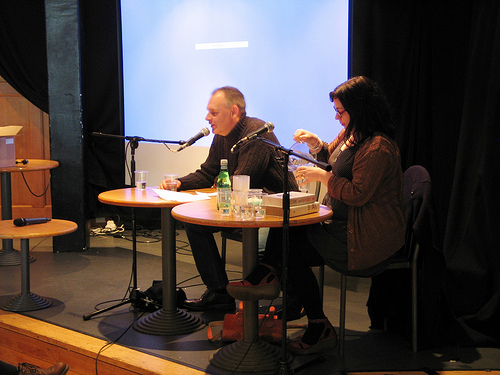
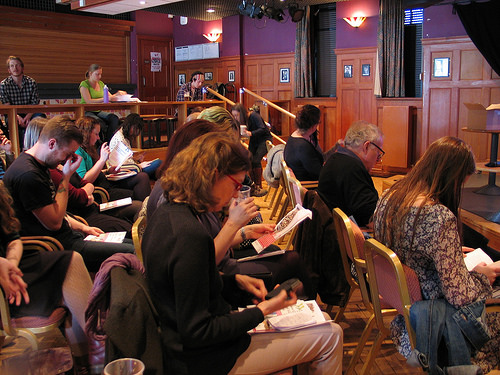
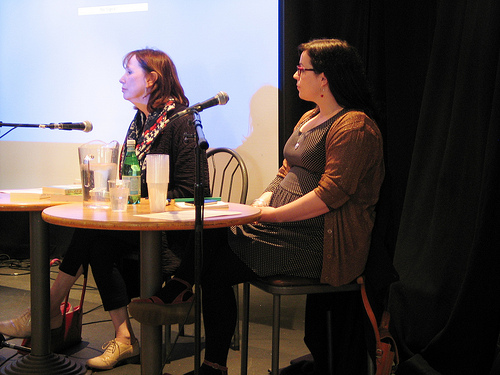
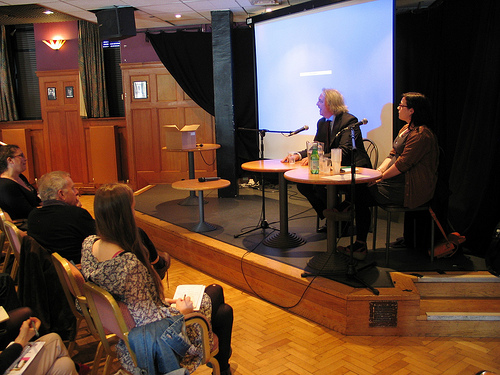
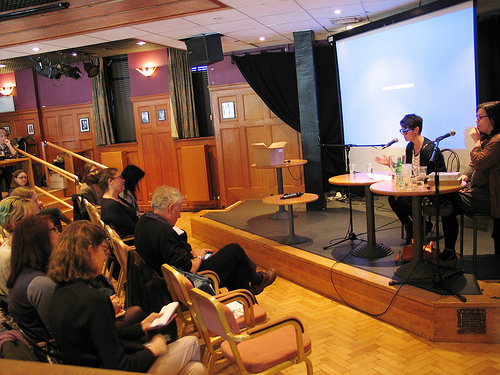
Last week, I was extremely flattered to be invited to speak at The Business, an event run by the University of Edinburgh and hosted by their Writer in Residence Jenni Fagan. The event was designed for budding writers who were keen to know more about the ‘business’ side of being a writer. I was asked to speak alongside publishing megastars like Francis Bickmore and Jenny Brown (!!!), and my topic was, essentially “is a Creative Writing PhD right for you?”

I think my talk went OK: the best part about it was definitely making my supervisor, Alan — who was hiding at the back of the room — blush quite a lot as I talked about what a brilliant mentor he’d been. But much better than my barely coherent ramblings were the talks of the other speakers. I hand-picked some useful advice from each of them for your reading pleasure…

The Business writing event at Pleasance Cabaret Bar (4)

1. Jenny Brown of Jenny Brown Associates, literary agent:

“Don’t write to trends.”

I’ve seen Jenny Brown speak on many occasions, and she always manages to make her advice to writers fresh and relevant to what’s going on in the book world at that very moment. However, this piece of advice is always in there and I think it’s something a lot of young novelists (in particular) need to hear. “You can never get on top of a trend,” she says, “because by the time you get your novel out there, you’ll have just missed it.” Instead, she advises, you should concentrate on writing a great novel that you love, and that your agent will love. “I don’t pick books based on genre, or based on whether or not I think they will be commercially successful,” Jenny said. “I mean, those things are factors, but at the end of the day if I love your book, that’s the main thing. All the books I’ve picked to represent, I have loved.”

The Business writing event at Pleasance Cabaret Bar (6)

2. Chris Hamilton-Emery of Salt, publisher:

“We need more narrative non-fiction.”

Did you know that the market for non-fiction is far larger than the market for fiction? “Fiction is declining,” Chris revealed, and he picked up on a point that Jenny had made about her love of nature writing. “Jenny said she was disappointed not to see more nature books. I agree. I wish more young writers would break into non-fiction earlier.” He said that for every fifty novels that landed on his desk, he’d see only one non-fiction work. (He also mentioned poetry’s market share: less than 1% of the entire book market. But then, we knew that, right?)

The Business writing event at Pleasance Cabaret Bar (8)

3. Francis Bickmore of Canongate, publisher:

“The hair shines with brushing.”

Francis gave his own seven rules for writers, all of which were great, but this was by far my favourite. He said it came from a friend of his, another publisher, who’d been listening to one of their writers moaning about how many edits they were needing to do on their novel. “The guy’s response was, ah yes, but the hair shines with brushing. The hair shines with brushing. I think it’s Flaubert or something, and it’s so true.” In other words, edit, edit, polish, edit, polish and then edit some more. Make your writing shine.

The Business writing event at Pleasance Cabaret Bar (9)

4. Stuart Kelly of The Guardian and many other places, critic:

“If you’re not interested in writing a novel that changes what the novel is capable of, get out of the business.”

This was probably my favourite piece of advice from the entire event. It’s something I might nick, except I’d replace the word ‘novel’ with ‘poem.’ What Stuart was saying is that the best novels are the ones that really push the boundaries of the form: one of the audience members gave the example of Jennifer Egan’s Visit from the Goon Squad, which happens to be my favourite novel ever, and really does do what Stuart’s talking about. “It’s not enough to just mention Twitter here and there,” Stuart said. “I’m talking about really experimenting with what this form can do.”

The Business writing event at Pleasance Cabaret Bar (10)

5. Peggy Hughes, of Dundee Book Festival, promoter:

“Perform your work in public.”

Peggy, aka the most-loved person in Scottish arts administration (no joke, she’s awesome) was in attendance to talk about the role of literary festivals in the writing business. She revealed that she routinely attends poetry readings, open mics and other literary events in order to scout for potential talent to book for her festival. “Go and read at these things,” she said. “You never know when someone like me might be sitting in the audience thinking, I should book this person.”

The Business writing event at Pleasance Cabaret Bar (11)

6. Kevin Williamson of Neu! Reekie!, promoter:

“Embrace the improbable.”

Kevin’s talk was mostly about his whirlwind experience at the helm of the Creative Scotland-funded cabaret sensation that is Neu! Reekie! He talked about having his face put on a new whisky brand’s label, meeting Richard Hell and somehow managing to get Primal Scream to play at one of his gigs. But it wasn’t just half an hour of how cool Kevin Williamson’s life is: he also talked about how rewarding community work can be for writers, talking a bit about his experiences teaching the poetry of Robert Burns in Scottish prisons. “All the things that have happened to me have been pretty improbable,” he said. “When Neu! Reekie! started we had no idea where it was going to go. So just embrace it, just go with whatever comes to you.”

The Business writing event at Pleasance Cabaret Bar (12)

7. Jenni Fagan of the University of Edinburgh, writer:

“Pace yourself… and get off Facebook.”

Jenni is in the middle of developing her novel The Panopticon (which is good and you should read it, by the way) into a film script, so she fielded a lot of questions from the audience about that side of things. However, she warned that “98% of all films never get made,” and pushed the importance of focussing on the writing first and foremost. “I got off Facebook because I found that I was looking at things like the best way to peel a banana, and then from that I clicked on to a really cute photo of a koala bear… and then before I knew it I’d spent a whole hour and all I’d done was surf a bunch of crap.” She says writers ought to focus on removing anything from their lives “that takes you away from words,” but she also noted the value of pacing yourself, and knowing that everything does not happen at once. “I have this idea for another novel,” she said, “but I am pretty sure I won’t start writing it for maybe another five or ten years. You just have to let things take their course.”

Incidentally, if you have any questions about Creative Writing PhDs, keep an eye out for a post on the topic in the next little while!

*

Like shiny things? Check out Edinburgh Vintage, a totally unrelated ’sister site’ full of jewels, treasures and trinkets. If you want to get in touch you can follow OneNightStanzas on Twitter, or email claire[at]onenightstanzas.com. I reply as swiftly as I can!
Dear poetry newbies: writing in the face of adversity.

Monday, September 30th, 2013

Walk away

A previous version of this post first appeared at One Night Stanzas in September 2008.

Here are a few phrases you’ll probably encounter a lot if you decide to tell people that you want to be / are a writer. Perhaps you’ve already heard some of them…

“Don’t be ridiculous. How are you going to support yourself?!”
“I used to say that when I was your age… you’ll see.”
“But writing’s just a hobby, isn’t it? ”
“Great. But what’s your real job?”

Sound familiar? I’ve had responses like these countless times from people who genuinely can’t understand why anyone would want to even try to make their living from writing. I think you can apply them to just about any other creative endeavour, too — try telling people you want to be a painter, fashion designer, musician, sculptor or actor, and you’ll probably hear similar things. This kind of response can be incredibly demoralising, particularly if it comes from a trusted friend, family member or personal hero. Often you’ll hear things like this from people who are older and supposedly wiser than you, which can also leave you questioning yourself. But no matter how often you hear these phrases, please, please don’t allow yourself to be disheartened by them. Many people can’t understand the possibility of an equation like writing + hard work = paying the bills. But that doesn’t make it a scientific impossibility!

Great. But what’s your real job?
OK, so the person who asks this question is probably assuming that your writing doesn’t make you much money, and as a result, you probably have another job which helps keep a roof over your head. This is a reasonable assumption to make - many writers do have a second source of income, either out of financial necessity or because it directly facilitates their writing. This is particularly true of poetry, I’m afraid. Poetry is an integral part of our everyday lives - it’s in the nursery rhymes we sing to our kids, it’s in greetings cards, advertising, and jingles on the radio. But despite this, not many people actually make the conscious effort to read poetry - to buy poetry collections, attend poetry readings or seek out new and exciting poets locally or online. Poetry just doesn’t sell well, which means that it does not generate too much income - and as a result, most poets do “real” jobs throughout their lives. William Carlos Williams worked as a doctor his whole life (he wrote short bursts of poetry in the few spare minutes between appointments), and Philip Larkin kept up his career in librarianship in spite of his rise to poetic fame. Most of the poets I know work in literature-related environments - some are English teachers, some University tutors, some work in bookstores or write copy for medical journals. Lots of poets support themselves by setting up or working for small publishing firms, which not only helps them survive - it helps poetry survive, too. But yes, I’m afraid it’s true - 99% of poets have to work at something other than their writing, which means you will probably have to, too - at least for a while.

Don’t be ridiculous. How are you going to support yourself?!
So you probably are going to have to get a “real” job, and therefore - although this isn’t very nicely worded - it is a fair question. When you’re not frantically scribbling, what are you going to do?
Well, you’re a creative person, and so I’m guessing that the thought of a 9-5 office post or a low-paid table-waiting job probably makes you want to scream. But you can relax, because you do not need to do those jobs! Teaching is a popular one. You don’t necessarily have to do a teaching degree and end up in charge of a class of thirty kids - just think about what you’re good at; what skills do you have that other people might want to learn? You write, so I’m guessing your language skills are pretty good; or perhaps you play flute, or whizz through long division? Pick a skill, work out a step-by-step teaching strategy, and then make bright, bold posters and advertise yourself (“Want to learn French? Get lessons from a native speaker!”). Alternatively, you could look around for private tutoring agencies and firms in your area, and see if they could take you on. That’s how I ended up working as an English tutor and lecturer; that’s how I paid my bills and supported my writing for over five years.
There are other ways, of course, if teaching doesn’t float your boat. Working in a bookstore may just sound like another dull retail job, but give it a try. Chances are, the people who work there are into words in the same way you are - particularly if the store is an independent one. A good poet friend of mine worked for the huge chain bookstore Waterstones, and surprisingly, loved every second. He got to work in the poetry department, and he went through there like a dose of salts, insisting that they order in more books by Charles Bukowski and other hip writers, writing enthusiastic reviews for poetry books to make people buy them, and making suggestions for cool literary events for the store. He also took the time to chat with the customers about the books they were buying, and had a great time meeting loads of like-minded people!
Basically, your “real” job should always be something you don’t totally hate. Creative people can wither in soul-crushing corporate workplaces, so make sure your day-job isn’t affecting your writing in a negative way. If it is: quit. Go work in a cool café, deliver leaflets or posters, become a carer for the elderly (old people are amazing, and good, caring people are always needed), walk your neighbours’ dogs, drive a pizza van. Do something you like, and when you’re not doing it, write. Don’t let anyone else tell you how you should support yourself.

But writing’s just a hobby, isn’t it?
So, you mainly need the “real” job because writing does not tend to generate a regular income - if you go through a bad patch with your writing and have no financial back-up, you could end up with no rent-money at the end of the month. However, writing is not just a hobby - it can make you money, if you know how to work it!
Poetry’s tricky to sell, as we’ve already discovered. However, some magazines do pay for poems. It’s not generally a lot, but it’s something - and the day of your first paid magazine gig is a momentous occasion! You can also get paid for reading your poetry to an audience, so try and get yourself on the bill of a local poetry reading. Many of these events charge a small entry fee, and more often than not, that goes to the poets. If your scruples allow, you can also try touting your poetic wares to greetings card companies or other product manufacturers… obviously you won’t be writing your best or most complex work, but you’ll be writing and making some cash!
Other forms of writing are more lucrative than poetry, thank goodness! You can make cash-per-word writing freelance magazine articles, reviews etc, and there are heaps of websites out there with advice on this kind of thing - just type “freelancing for beginners” into Google (but watch out for scams… don’t part with any cash for online writing courses or the like - you should be able to get all the info you need for free). You can also write for a specific market - as I said earlier, medical writing can generate income, as can travel writing and writing for other specialist areas.
If you’re feeling courageous, you can also send your work off to poetry contests with cash prizes (though with most of these you have to pay an entry fee… make sure it’s worth paying to enter!) or read up on grants and other funding for writers.

I used to say that when I was your age… you’ll see.
Whatever you do, do NOT be discouraged by negative responses from other people! This “you’ll see” response is particularly nasty, because it implies that you’ll fail, or that you’ll regret pursuing your writing at a later stage of your life. Yes, you should be sure that writing is really what you want to do, but chances are if you do decide to follow that path, and if you stay smart and true to yourself, you’ll have no regrets whatsoever. As for the “don’t be ridiculous” comment - writing and creating are not ridiculous exercises. If you ask me, slaving away at a PC or photocopier for eight full hours of your waking day is much more ridiculous than creating something really cool and unique and sending it out into the world for people to enjoy. And if someone asks you what your “real” job is, tell them it’s writing - you just happen to have another job on the side.

*

Budding writer? Creative person in need of a fun job? Check out the various resources and services at Bookworm Tutors. Alternatively, check out Edinburgh Vintage, our sister site. If you want to get in touch you can follow OneNightStanzas on Twitter, or email claire[at]onenightstanzas.com. I reply as swiftly as I can!

Dear Poetry Newbies: do you need a creative writing qualification?

Monday, February 11th, 2013

A previous version of this post appeared at One Night Stanzas in September 2008.

There are a lot of people out there who will tell you that in order to become a successful writer, you will definitely need some kind of creative-writing-specific qualification. However, there are also a lot of people out there who will tell you that you should avoid creative writing qualifications like the plague. Personally, I decided to go down the qualification route: I have a MSc in Creative Writing and I’m soon to complete a Creative Writing PhD. In light of this, I thought I’d stick my oar in on the subject.
I’m not going to say a definite yes or no either way — you may or may not want or need a creative writing qualification. You may not know right now. You may have people telling you what you should or shouldn’t do on all sides. At the end of the day, the ‘to study or not to study?’ question is yours to answer… but I can offer some pros and cons, dos and don’ts to help you.

Creative writing courses: Pros

- Courses provide opportunities for quality workshopping and mentoring.

- Seminars and tutorials are often run by experienced writers (or former writers).

- You learn about writing, editing, drafting and publishing processes… on some courses you can also learn about how writing is marketed, distributed and sold.

- Opportunities for publication may well be open to you.

- You’re surrounded by other writers like yourself who understand your ambition and won’t try to discourage you.

- You get honest, useful feedback on your work, and help to implement changes.

- More and more courses are springing up all the time, and more and more people are taking them - this means more choice when it comes to where and when you study, how you study and with whom.

- Being part of a course-group often provides opportunities to attend writing-related events, and to meet people in the writing business.

Creative writing courses: Cons

- Creative writing is a very specialised field and you may find yourself with limited career options when your course has finished.

- Creative writing is sometimes looked down upon, or not always well-respected - by businesses and even by some academics.

- There is a common belief that creative writing cannot actually be “taught” and so courses are a waste of time.

- Courses of all kinds can be very costly, particularly if you enroll at a prestigious institution.

- Some courses are run and taught by individuals who do not have sufficient knowledge or experience of the field.

- Workshops can often be less constructive in a long-term course situation, because cliques and animosities can develop between classmates.

- Some writers (even some editors) reserve a certain kind of snobbery for those with creative writing qualifications.

- Because more and more people are studying creative writing, qualifications of this kind are becoming less unique and as a result, less respected.

Dos and don’ts.

DO find a highly-rated course at a good institution. Yes, it’s expensive to go to a good Uni or college, but you generally do get what you pay for. Make sure the qualification you get is going to be legitimate and useful.

DON’T take online creative writing “Masters” or “Degree”, particularly if you have to pay for them. They are generally worthless on paper. (Some online short courses are good, but generally aren’t accredited — so you don’t end up with an actual qualification at the end.)

Probably DON’T take creative writing as your first University degree. By doing so you may back yourself into a corner when it comes to career options. Take a more open-ended degree and specialise in creative writing later, or take a creative writing module or postgraduate course.

DON’T feel that you have to rush into taking a course. If you finish high school or graduate from your degree and you want to do other things first, do by all means. If you want to produce some more writing first, do. No hurry.

DO make sure you can afford your chosen course. If you can’t, look around at other courses - but DON’T just enrol “because it’s cheap”. There may be a reason for that. At the same time, DON’T assume a course is really good because it’s expensive. Do your research.

DO make sure that, if you’re required to have “writing experience,” you have some. You may well be in a class with people who have a fair few publications and projects under their belt. If you’ve only ever written three poems, look for a course designed for beginners.

DO vet the course-organisers and tutors before you apply. Do they sound like they have the right experience/type of writing/research interests to teach you?

DO vet the course, too. Does it go in the direction you want? Does it look unprofessional, or too academic? Trust your instincts, get on a course that will benefit you personally.

DO search around for funding, from student loans, grants, bursaries and scholarships. DON’T run up your course bill on a credit card or via a personal loan unless you’re sure you can manage it.

DON’T take the word of people who say you must or must not study creative writing. Listen to their advice, but DON’T feel obliged to act on it.

DON’T start a course if you already think you might find it too hard, or you might drop out. It can be really costly.

DO vet “free” courses very, very carefully.

DON’T assume that taking a course will make you a writing superstar… but also DON’T assume that, just because it won’t, it’s worthless.

I’d love to hear what you think about the benefits and disadvantages of creative writing courses. Have you done one? Give me your feedback!

*

You can also visit Read This Press for more poetry (and typewriter paraphernalia!). Alternatively, check out Edinburgh Vintage, our sister site. If you want to get in touch you can follow OneNightStanzas on Twitter, or email claire[at]onenightstanzas.com. I reply as swiftly as I can!

(Photo credit)

Procrastination Station #115

Friday, November 2nd, 2012

<3

Har! Brilliant lateral-thinking literary Halloween costume idea right here!

It’s pricey, but this is one of the coolest notebook ideas I have seen in quite a while!

And speaking of notebooks, here is a list of cool crafty bookish DIY projects for you to try, if your weekend’s looking empty!

We have forged something beautiful together,
in spite of all the darkness.

I love this beautiful, autumnal poem from Kerri Ni Dochartaigh.

IF YOU CLICK NOTHING ELSE IN THIS POST, click here for some WTF sci fi book covers. Amazing! (Thanks Adam!)

This passive-aggressive note got the English teacher treatment! (I also love these grumpy Halloween ones!)

I do not understand—I will not understand, I refuse to understand—why rape has to be on the table for every story with a female protagonist, or even a strong female supporting cast. Why it’s so assumed that I’m being “unrealistic” when I say that none of my female characters are going to be raped. Why this “takes the tension out of the story.” There is plenty of tension without me having to write about something that upsets both me and many of my readers, thanks.

Things I will not do to my characters. Ever. is great great great. A must-read for novelists.

Also fascinating: Saeed Jones on writing the second chapter.

These author-quote illustrations are pretty fabby (though, as with everything, Needs More Women & POC).

The wonderful Captain McGuire WROTE A POEM ABOUT BROCCOLI, you guys!

Looking at [the word 'fat'] as a neutral descriptor also steals its ability to insult. “You’re fat!” “Your observational skills are stellar!”

Everything Liss writes about fat acceptance is always so spot on. The above is from this post.

I had an article posted at xoJane! Everlasting squee!

I love Ruth’s photos of dewy, early morning plants and spider webs.

Next week I’ll be reviewing Patrick Green’s new album, Melodrama. Get the jump on my review by listening to the album in full here!

There’s three main reasons men (or anyone) don’t cook: Not caring what they eat, thinking someone else should cook for them, or not knowing how to cook. All three have different solutions and not one is “baby him along like you’re trying to convince a timid puppy to go out in the snow.”

I so love The Pervocracy’s monthly “cosmocking” of Cosmo. This month is particularly excellent.

Here are some fantastic photos of what President Obama has been doing to help with the Hurricane Sandy aftermath. And here is an article on why he’s a great (GREAT!) president (NB: go ye not below the line, there be assholes). Finally, in President-related news: this. (via)

Want to make your own colourful bird wings? OF COURSE YOU DO.

“Six people battle to save hedgehog trapped in crisp packet”? That’s my kinda news headline.

Food is lots of things. It’s comfort, it’s calories, it’s communion, it’s history and tradition, and it’s fucking yummy. Two things that it isn’t is GOOD or BAD (unless, you know, e coli). And you are not a good or bad person for eating.

21 Things To Stop Saying Unless You Hate Fat People WINS ALL THE INTERNETS.

I love everything in this amazing Etsy shop.

…and speaking of which, THERE’S NEW STUFF UP AT EDINBURGH VINTAGE!

Guys, please support my lovely friend Hannah, who’s doing Movember even though she’s a girl!

It was close, but I think this has to win cat gif of the week.


Look at this amazing time-lapse of Hurricane Sandy hitting New York City — check out 1:02 when the power goes off!

Lindy West at Back Fence PDX from Back Fence PDX on Vimeo.

Lindy West remains my heroine.


This is GREAT.


So is this.

Have a great weekend!

*

You can also visit Read This Press for more poetry (and typewriter paraphernalia!). Alternatively, check out Edinburgh Vintage, our sister site. If you want to get in touch you can follow OneNightStanzas on Twitter, or email claire[at]onenightstanzas.com. I reply as swiftly as I can!
(Photo credit)